
Hey everyone, when I first thought about leadership, I imagined someone standing in front of a room, giving directions, and keeping everyone focused.
But through student projects, clubs, and Puddletown Chess, I’ve learned that leadership is not about being in the same room. It is about creating clarity, trust, and momentum, even when people are in different places.
As students, we all balance school, sports, travel, family, and other commitments. At first, missed meetings and unfinished tasks felt frustrating. Then I realized the issue was not that people were busy. The issue was that we needed a better system.
So we started using remote meetings, shared notes, clear follow-ups, and weekly updates. If someone missed a meeting, they could still catch up. If a decision was made, it was written down. If someone had a task, they knew exactly what to do next.
That changed how I saw leadership.
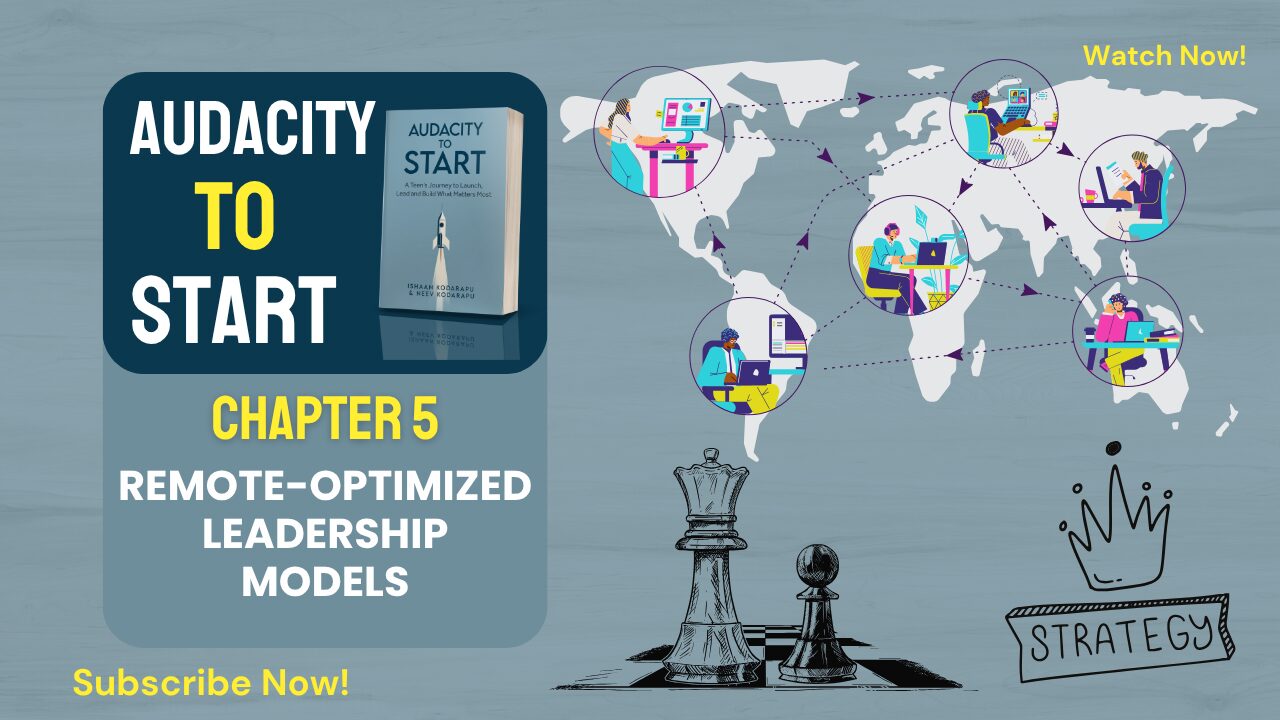
Remote leadership is not just about Zoom or email. It is about making it easier for people to participate, contribute, and feel included. I saw this in entrepreneurship projects, TED-Ed Club, Cybersecurity Club, and Neev’s robotics team, where online collaboration helped us learn from people beyond our local community.
These lessons matter at Puddletown Chess too. If we want chess to be accessible, we have to think beyond one classroom or one tournament room. We have to support students who live far away, families with transportation challenges, and mentors who may be able to help from anywhere.
The biggest lesson I’ve learned is that clarity is kindness. When communication is clear and flexible, more people can stay connected and keep growing.
Leadership is not about control. It is about helping people move forward together.
At Puddletown Chess, that mindset helps us build a community where impact can grow anywhere.
Your age does not define your ability to lead. Sometimes all it takes is the audacity to start.