
If you’re reading this, you’re probably thinking about starting or supporting someone to start something. Maybe it’s a chess club, a tutoring group, a robotics team, or something completely different. We were in the exact same spot a few years ago, just kids with an idea, no real plan, and honestly… no clue what we were doing.
But here’s the truth we learned:
you don’t need to have everything figured out to start a nonprofit. You just need to start.
This isn’t a perfect guide. It’s just our playbook, real steps we took, the mistakes we made, and what actually worked.
Step 1: Start With a Problem You Care About
Our nonprofit didn’t start because we wanted to “build a nonprofit.”
It started because something felt wrong.
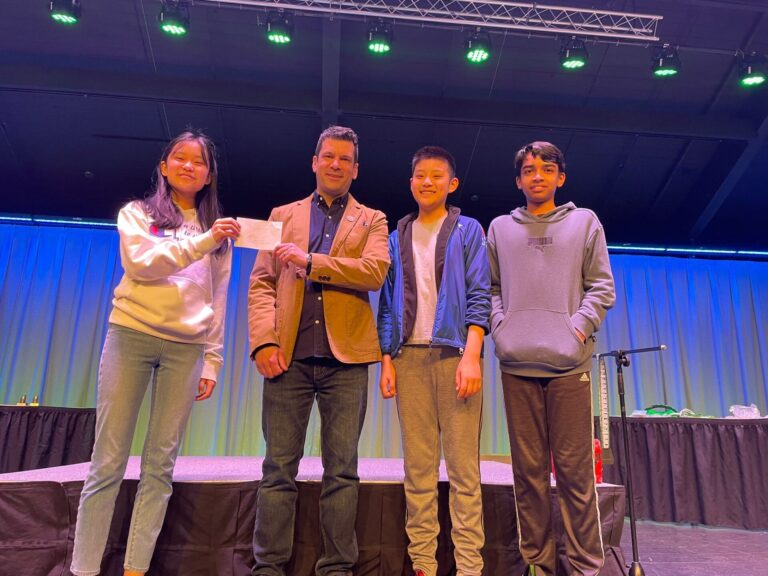
During COVID, everything shut down. Chess tournaments disappeared. Our local chess community was struggling, and we could feel it. That’s when Ishaan made a decision that changed everything, he donated $2000 he had won from tournaments to help keep the community alive.
That moment flipped a switch for us.
Instead of asking “what should we start?”
we started asking “what needs help right now?”
That’s where your nonprofit begins.
Step 2: Don’t Wait for Permission
One of the biggest myths is that you need approval, from adults, schools, or some official system, to start something real.
You don’t.
We didn’t have a roadmap. We didn’t have any experience. We didn’t even fully understand what a nonprofit was at the beginning or how we’d actually run it.
We just started:
- Hosting small events
- Teaching a few students
- Trying things that might work
Most of it wasn’t perfect. Some of it failed. But every step gave us momentum.
If we waited until we felt “ready,” we would still be waiting.
Step 3: Build With People, Not Alone
At first, it’s easy to think: “I’ll just do this myself and take all the credit.”
That doesn’t last long.
One of the biggest turning points for us was turning rivals into teammates. People we used to compete against became co-founders and collaborators. That made everything stronger.
Different people bring:
- Different skills
- Different ideas
- Different energy
And honestly, they make it way more fun.
Your nonprofit grows faster when it’s not just yours anymore.
Step 4: Start Small, Then Grow
Our first events were tiny.
Like… really small.
We weren’t thinking about scale or impact or growth metrics. We were just focused on making one event work, then the next one slightly better.
That mindset helped us:
- Fix mistakes quickly
- Learn what people actually wanted
- Build trust over time
A lot of teens try to start something “big” immediately.
But real growth looks like this:
start small → learn fast → improve → repeat
Step 5: Systems Beat Effort
At some point, doing everything manually stops working.
That’s when we learned one of the most important lessons from our journey:
Don’t just run events. Build systems.
For example:
- Instead of random lessons → we built structured training levels
- Instead of one-time help → we added homework + feedback + office hours
- Instead of chaos → we created routines
- Instead of running it ourselves → we hired volunteers to lead alongside us
That’s when things started to scale.
And this isn’t just a nonprofit lesson; it’s a leadership lesson.
As we talk about in our journey, building something that lasts means creating systems that work even when you’re not there
Step 6: Expect Challenges (A Lot of Them)
We’ve dealt with:
- People not taking us seriously
- Events going wrong
- Volunteers dropping out
- Logistical chaos
- Balancing school + everything else
And yeah… it gets frustrating.
But here’s something we learned the hard way:
Challenges aren’t signs you’re failing. They’re signs you’re building something real.
Every problem forced us to get better.
Step 7: Focus on Impact First
It’s easy to get caught up in:
- Numbers
- Growth
- Recognition
But the biggest shift for us was focusing on impact.
Helping one student improve.
Creating one meaningful event.
Building one real connection.
That’s what compounds over time.
Our nonprofit grew because people felt it; not because we marketed it perfectly.
Step 8: Give Back (Early and Often)
From the very beginning, giving back was part of everything we did.
Even small things mattered:
- Donating earnings
- Supporting other organizations
- Creating opportunities for others
That mindset shaped our identity.
It also made our work feel bigger than just “running a program.”
Step 9: Let Others Lead
At the start, we did everything.
But that doesn’t scale, and it’s not leadership.
Real growth happened when:
- Volunteers stepped up
- Students started helping
- Others took ownership
We used to think others didn’t deserve what we’d worked so hard on to build.
Now, we actively try to create opportunities for other teens to lead.
Because leadership isn’t about control.
It’s about creating more leaders.
Final Thought: You’re More Ready Than You Think
If there’s one thing we want you to take away, it’s this:
You don’t need:
- More experience
- More time
- More permission
You just need to take the first step.
We started as two kids who liked chess.
Now we’ve built something that impacts hundreds of students, and we’re still learning every day.
Your version might look completely different.
And that’s the point.
Start something that matters to you. Figure it out as you go.
That’s the real playbook. And to help, we wrote a book! Check it out at and if you can’t afford to get a copy let us know, and we will gift you a FREE copy https://www.amazon.com/Audacity-Start-Journey-Launch-Matters/dp/B0FHFRRFHV