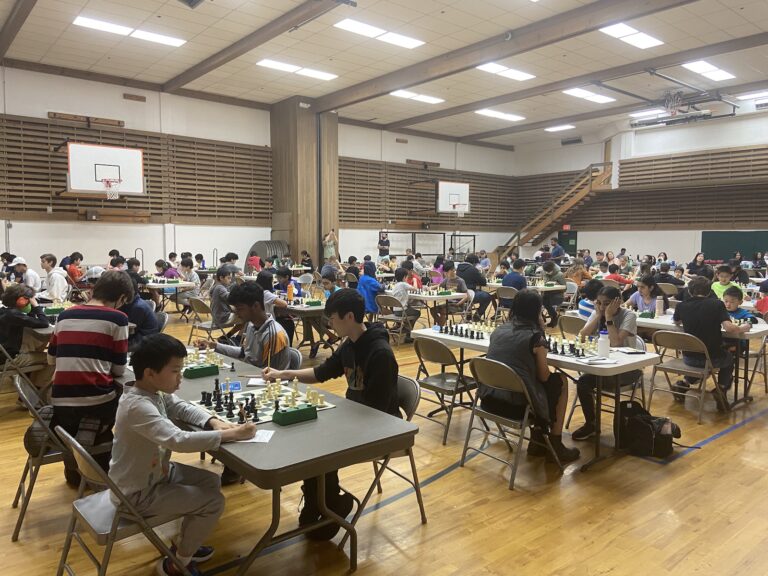

When people hear the word “chess,” they often picture big tournaments in city libraries or fancy schools with high ceilings and bright lights (trust me, I can relate). But what about kids in small towns who’ve never been to a big city chess club? What if the closest tournament is three hours away? What if no one in their school even plays?
We started thinking about these questions after running several local events. At every tournament, parents and coaches from rural areas pull us aside and ask: “How do we start something like this where we live?” That’s when it hit us – chess isn’t just a location thing. It’s a human thing. And every kid deserves access to it.
Why it matters
Chess isn’t just a game with 64 squares. It’s the focus, the discipline, the problem-solving needed to play that make it different from sports and other games. It teaches you how to lose, how to bounce back, and how to think ahead before making a move – on the board and even in life.
We’ve seen firsthand how chess changes kids. In just one year, shy beginners become confident leaders. Kids who struggle to focus in school can sometimes sit through a 90-minute tournament game without blinking. And maybe most importantly, chess gives kids a community where they feel seen and respected – regardless of where they live.
The rural gap is real
In our book, Audacity to Start, we talk about starting small. Our first tournaments were in pizza parlors and parks. No fancy trophies. Just people who loved the game. But even starting that small required access: to boards, to volunteers, to mentors.
That kind of access isn’t always available in rural areas. Some communities don’t have chess teachers. Others don’t have reliable internet for online games. A few don’t even have chess sets at school.
At first, it seemed these problems seemed too hard for teens to tackle. But I realized chess is a game of inclusion. It has been since its creation in ancient times.
That’s why we’ve begun looking beyond just “running events” and toward “removing barriers.” It could mean shipping chess sets to small schools in rural communities. Or helping a librarian or school teacher learn how to run a mini tournament. Or setting up mentorship calls between players in Portland and kids in rural parts of Oregon. These things sound small, but they’re the seeds of something bigger.
One story that sticks with us
At one tournament, a dad drove three hours with his kids just so they could play. They didn’t win all the rounds. But after the final game, one of them ran up to us and asked, “When’s the next tournament?”
That’s the thing about chess. It hooks you – not because you win, but because you grow and belong.
What we’re learning
Reaching rural areas isn’t about dropping in for one event and leaving. It’s about building trust. Listening. Creating something with the community, not just for them. And sometimes, it starts with just saying: “Hey, want to play?”
If we want Oregon’s chess scene to grow, we need to make sure it grows in every direction – including places that are too often left out.
So what can you do?
If you’re a student reading this:
- Ask your school librarian if you can start a chess club.
- Offer to teach a younger student what you know.
- Host a small casual tournament – even if it’s just with 5 friends.
If you’re a parent or teacher:
- Reach out. We’re happy to share how we started with nothing but 4 boards and an empty table at a pizza shop.
- Help your student attend a tournament, even if it’s far. That one trip might change everything. We are here to help in many ways, starting with free tournament entries!
If you’re part of Puddletown:
- Volunteer to run an event in a rural school.
- Sponsor a kid who can’t afford the entry fee.
- Or just be open to learning from people outside your neighborhood.
Final reflection
Chess has taught us a lot over the years – but the biggest lesson might be this: every move matters not just in the game, but in life. Whether you’re starting a nonprofit, helping a friend, or bringing chess to a small town where it’s never been played before, your next move could change someone’s path forever.