
After organizing and running dozens of chess tournaments and classes, one pattern became very clear for our founders and coaches: many neurodiverse kids, including those with ADHD, autism, and different learning styles, naturally gravitate toward chess. Not because they are told to, but because something about the game simply clicks.
One of the biggest reasons is the predictability of the environment. The board is always the same, the rules don’t change, and each piece moves in a specific way. For many kids who thrive on structure, this consistency creates a sense of comfort. Instead of dealing with uncertainty, they can focus on solving the position in front of them.
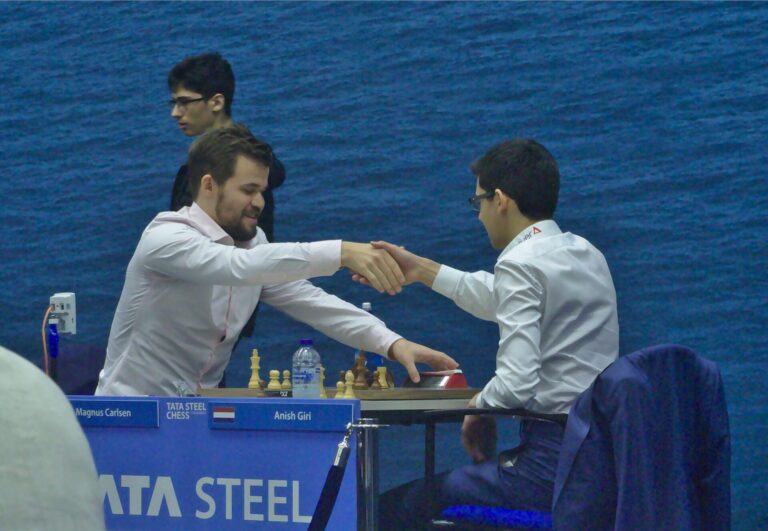
At the same time, chess allows for deep thinking without pressure. In tournaments, it’s common to see kids completely absorbed in their games, quietly analyzing and exploring ideas. Chess gives them the space to slow down and think at their own pace, something many neurodiverse learners naturally enjoy.
What makes chess especially powerful is the balance between structure and creativity. Within a fixed set of rules, players can experiment, take risks, and develop their own style.
You’ll often see:
- Some kids play aggressively and look for attacks
- Others play patiently and focus on defense
- Many switch styles as they learn and grow
This flexibility makes the game accessible to a wide range of thinkers.
Another key aspect is how chess treats mistakes. Every player makes them, whether beginners or advanced players alike. A piece gets blundered, a tactic is missed, or a strong position slips away. But the game doesn’t stop there.
Instead, players naturally go through a cycle:
- Make a mistake
- Understand what went wrong
- Try again in the next game
Over time, this builds resilience and a healthy approach to learning.
Chess also creates a low-pressure social environment. Kids interact through the game rather than in constant conversation. They take turns, follow shared rules, and connect through repeated play. Many friendships form quietly over time, without the stress of traditional social situations.
Perhaps most importantly, chess makes progress visible. Kids begin to:
- recognize patterns faster
- solve puzzles more confidently
- make better decisions during games
Parents often notice small but meaningful changes, such as more patience, better focus, and growing confidence.
Chess isn’t designed specifically for neurodiverse learners, but it often becomes a place where they thrive. With its mix of structure, creativity, and steady improvement, the game gives kids a chance to think deeply, learn from experience, and discover what they’re capable of, one move at a time.