
Why Playing Games Isn’t Enough
Most chess players are told the same thing: just play more games and you’ll improve. And yes, playing is important. But we started noticing something pretty early, some players were playing a lot and still not improving as fast as they wanted.
Why?
Because they were making the same mistakes over and over again.
They would finish a game, maybe feel good or frustrated for a minute, and then move on. No reflection. No review. No learning from what just happened.
That’s when it clicked for us: playing gives you experience, but only analysis turns that experience into improvement.
What Game Analysis Actually Does
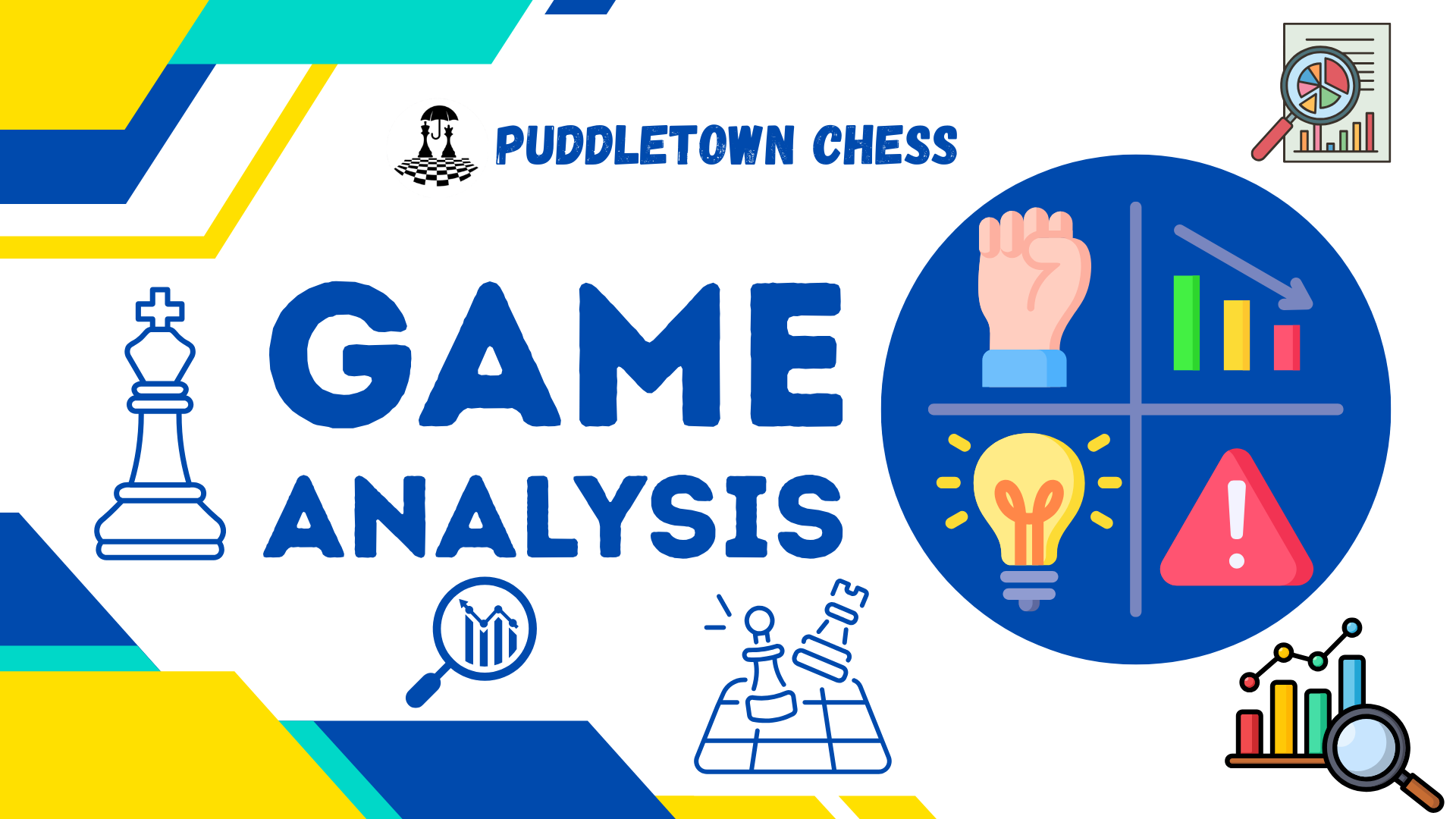
Game analysis is basically going back to your game and slowing everything down.
Instead of just remembering the result, you start asking questions: What was I thinking here? Why did I choose this move? What did I miss?
When you do that, you start to see things you never noticed during the game. Missed tactics. Better plans. Moments where the game could’ve completely changed.
Even your wins become more valuable, because you understand why you won, not just that you did.
That’s when every game starts teaching you something.
Why Expert Feedback Matters
Analyzing your own games is a great habit. But there’s a limit to what you can catch on your own.
That’s where stronger players and coaches make a huge difference.
When someone experienced looks at your game, they can instantly point out things you might completely miss. Not just better moves, but better ideas. Better plans. Better ways of thinking.
Sometimes it’s just one small comment; like “you had a tactic here” or “this plan doesn’t fit the position” that changes how you see the entire game.
It’s like speeding up your learning.
Making It Accessible (For Free)
One thing we’ve always believed is that this kind of feedback shouldn’t be limited to just a few people.
Not everyone can afford private coaching or one-on-one sessions. So we built game analysis into our system in a way that’s open and accessible.
Through office hours, classes, and community sessions, students can bring their games, ask questions, and get feedback, completely free.
It’s not just about helping one person improve.
It’s about making sure everyone has access to better learning.
Learning From Each Other
One of the coolest parts about analyzing games in a group setting is that everyone benefits.
Even if it’s not your game, you still learn:
- You might see a tactic you’ve missed before
- You might recognize a mistake you make all the time
- You might understand a new idea just by listening
It turns one game into a learning experience for everyone in the room.
And that’s where the community aspect really shows up.
Turning Mistakes Into Progress
At some point, we started thinking about mistakes differently.
Instead of seeing them as something to avoid, we started seeing them as clues.
Every mistake tells you something:
- What you’re missing
- What you need to practice
- Where you can improve next
Once you look at it that way, losing a game doesn’t feel like the end.
It feels like the beginning of getting better.
The Real Value
At the end of the day, game analysis is what connects effort to improvement.
You can play a lot. You can study a lot.
But when you take the time to understand your own games, with the help of others, that’s when everything starts to click.
If You Remember One Thing…
If you really want to improve, don’t just jump into your next game right away.
Pause. Go back. Look at what happened.
Ask questions. Get feedback. Stay curious.
Because sometimes, the biggest improvement doesn’t come from playing more…
it comes from understanding better.